

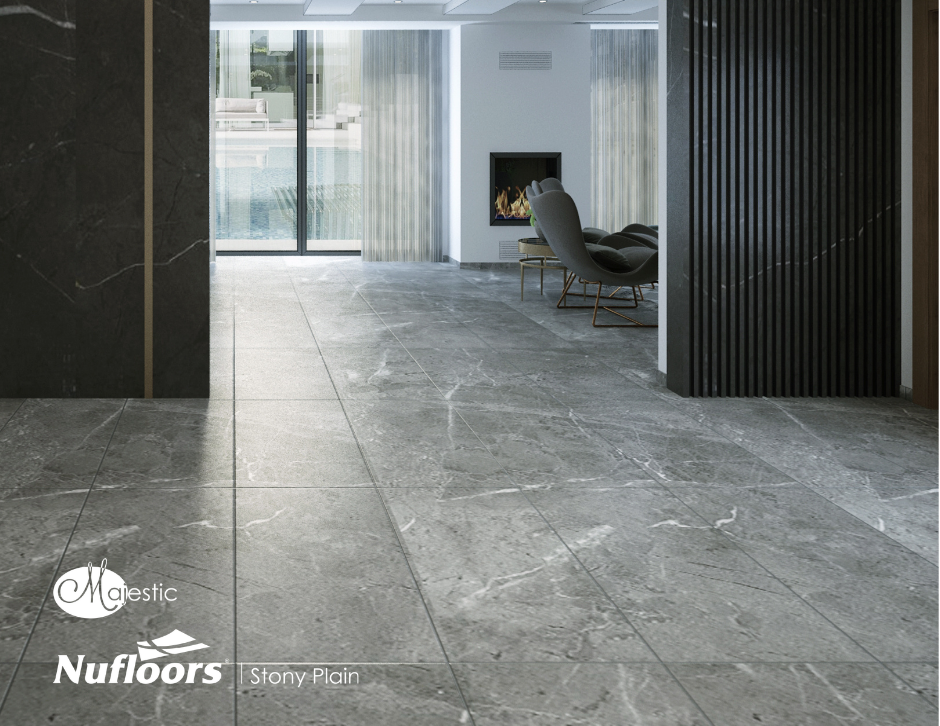
Natural stone has shaped architecture for thousands of years, but few materials have remained as consistently popular as travertine. From ancient Roman landmarks to today's luxury homes, its warm tones and distinctive texture have made it a favourite for floors, walls and outdoor living spaces. While design trends continue to change, travertine tile has proven its staying power by complementing both traditional and contemporary interiors.
Whether you choose natural stone or a modern porcelain alternative, travertine continues to offer timeless appeal.
A Stone with Ancient Origins
Travertine is a type of limestone formed when mineral-rich groundwater deposits layers of calcium carbonate around hot springs and limestone caves. Over thousands of years, these deposits create the natural cavities and subtle veining that give travertine its unmistakable appearance.
The stone has been used for more than 2,000 years, perhaps most famously in ancient Rome. Much of the Colosseum, completed around 80 AD, was constructed from travertine quarried near Tivoli, and the material continues to appear in historic churches, bridges and public buildings throughout Italy.
Its longevity is one reason designers continue to specify it today.
What Makes Travertine Unique?
Unlike marble, which is known for bold veining, travertine is appreciated for its softer, more understated appearance.
Its natural colour palette ranges from ivory and cream to beige, walnut and silver-grey, making it easy to pair with wood flooring, painted cabinetry and natural materials. Small pits and voids formed during the stone's creation add texture and character, ensuring every tile is unique.
Travertine can also be finished in several ways, each creating a different look.
Honed, Polished or Tumbled?
The finish you choose has a significant impact on the final design.
Honed travertine has a smooth, matte surface that highlights the stone's natural colour while providing a contemporary appearance.
Polished travertine is mechanically buffed to create a reflective finish that emphasizes the stone's depth and subtle movement.
Tumbled travertine has softened edges and a gently weathered texture, making it a popular choice for rustic, Mediterranean and traditional homes.
Each finish offers the same natural beauty while creating a different overall aesthetic.
Where Travertine Works Best
Travertine's versatility is one of its greatest strengths.
It creates elegant flooring in entryways, kitchens and living areas while also being a popular choice for bathrooms, fireplace surrounds and feature walls. Outdoors, travertine is often selected for patios and pool surrounds because lighter colours remain relatively cool underfoot in direct sunlight.
For homeowners who appreciate natural stone but want lower maintenance, porcelain tile that replicates travertine has become an increasingly popular alternative. Modern manufacturing reproduces the stone's warm tones and subtle texture while offering excellent resistance to moisture, scratches and staining.
A Material That Transcends Trends
Travertine has remained relevant because it doesn't rely on bold colours or fashionable patterns. Its appeal comes from natural variation, quality craftsmanship and a colour palette that works across a wide range of architectural styles.
At our flooring store in Stony Plain, we'll help you compare natural travertine with today's high-performance porcelain alternatives, explaining the advantages of each so you can choose the right material for your home. Whether you're planning a bathroom renovation, updating a kitchen or creating a welcoming entryway, we'll help you select tile that delivers lasting beauty for years to come.