

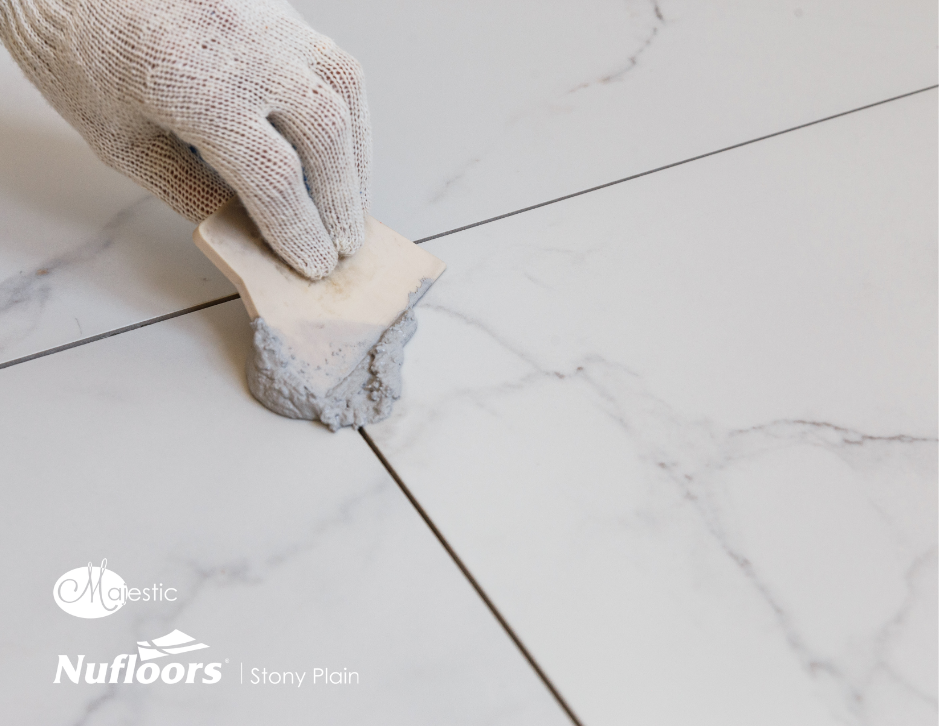
Shopping for tile often introduces homeowners to unfamiliar terms, and one of the most common is rectified tile. While it sounds technical, rectification simply refers to the way a tile is finished after it's manufactured. The process creates exceptionally consistent dimensions, allowing for cleaner installation and narrower grout joints.
If you're comparing rectified tile with standard tile, understanding how it's made will help you decide which option is best for your renovation. Visit our flooring store in Stony Plain to check out samples and talk specs!
What Is Rectified Tile?
Most ceramic and porcelain tiles shrink slightly during the firing process. Because that shrinkage isn't always perfectly uniform, standard tiles can vary by a few millimetres in size.
Rectified tiles undergo an additional manufacturing step after firing. Each tile is precisely cut using diamond blades, producing perfectly straight edges and highly consistent dimensions.
This allows installers to place tiles with much tighter grout joints than would normally be possible.
Why Precision Matters
The greatest advantage of rectified tile is visual consistency.
Because each tile is nearly identical in size, grout lines appear thinner and more uniform. The result is a clean, contemporary appearance that allows the tile itself to take centre stage.
Rectified tile is especially popular with:
Large-format porcelain
Marble-look tile
Concrete-look tile
Contemporary bathrooms
Open-concept flooring
The larger the tile, the more noticeable consistent grout spacing becomes.
Is Less Grout Always Better?
Many homeowners love the sleek appearance of narrow grout joints, but they aren't simply a design choice.
Grout helps accommodate minor movement within a tile installation while protecting tile edges. Although rectified tiles can be installed with tighter joints than standard tile, professional installers still follow manufacturer recommendations to ensure long-term performance.
The goal isn't eliminating grout altogether. It's creating a balanced installation that looks refined while performing properly.
Installation Requires Greater Precision
Rectified tile demands more from both the installer and the subfloor.
Because the edges are perfectly straight, even slight variations in the substrate become easier to see. Uneven floors can result in lippage, where one tile edge sits slightly higher than the next.
Professional installers carefully assess floor flatness before installation begins and may recommend levelling compounds where necessary. Proper preparation helps achieve the clean, seamless appearance homeowners expect from rectified tile.
Where Rectified Tile Works Best
Rectified tile complements almost any room, but it performs especially well in spaces where uninterrupted surfaces are part of the design.
Popular applications include:
Kitchen floors
Bathroom floors and walls
Walk-in showers
Entryways
Living areas
Fireplace surrounds
Combined with large-format porcelain, rectified edges create a modern appearance that works equally well in minimalist, transitional and luxury interiors.
A Modern Finish with Timeless Appeal
Rectified tile isn't a different material—it's a more precisely manufactured one. For homeowners seeking crisp lines, narrow grout joints and a contemporary aesthetic, it offers a simple way to elevate the finished appearance of a renovation.
At Nufloors Stony Plain, we'll help you compare rectified and standard ceramic and porcelain tile while explaining how each performs in different applications. From selecting the right grout width to ensuring proper installation, we'll help you create a finished space that's both beautiful and built to last.