

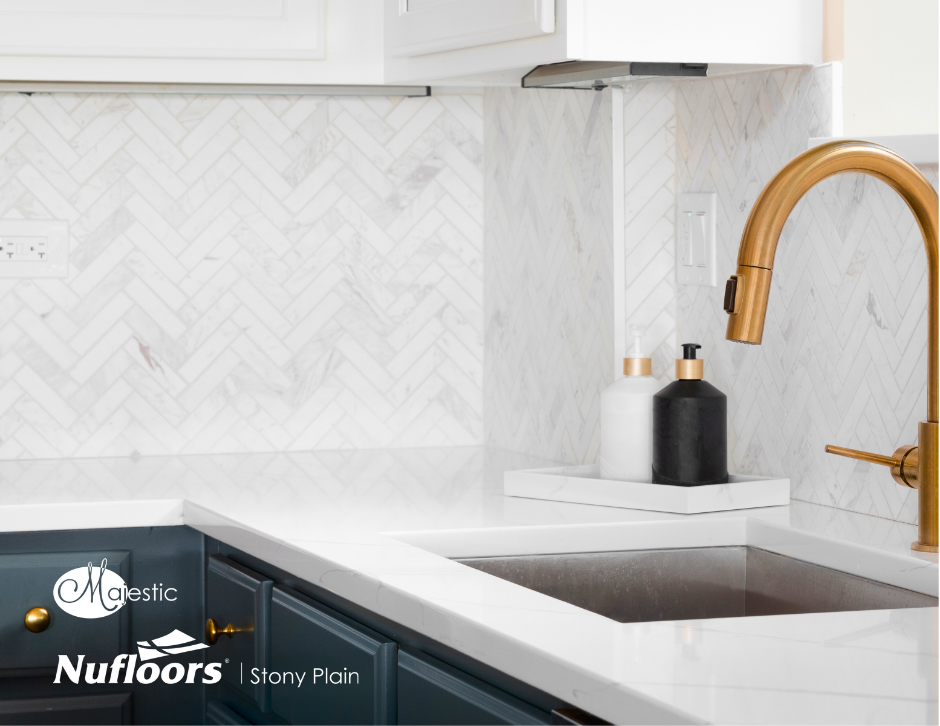
At first glance, herringbone and chevron tile patterns look remarkably similar. Both create movement, add visual interest and elevate simple materials into striking design features. Look a little closer, however, and you'll find that these classic layouts are built differently and create distinctly different effects.
Whether you're selecting a kitchen backsplash, bathroom floor or feature wall, understanding the difference between herringbone tile and chevron can help you choose the pattern that best suits your home.
A Shared History with Different Origins
Both herringbone and chevron patterns date back centuries.
The herringbone pattern can be traced to the Roman Empire, where engineers arranged paving stones in an interlocking zigzag formation to create stronger roads capable of supporting heavy traffic. The same principle later appeared in parquet wood flooring throughout Europe, becoming a hallmark of fine craftsmanship.
Chevron has equally historic roots but became closely associated with French architecture and decorative arts during the Renaissance. It gained widespread popularity in Parisian homes, where its crisp, continuous lines complemented more formal interiors.
Today, both patterns remain favourites in contemporary kitchens and bathrooms because they blend historic character with modern design.
What Is a Herringbone Pattern?
A herringbone pattern is created by laying rectangular tiles at 90-degree angles so that each tile meets the end of the next.
Rather than forming a continuous point, the ends overlap to produce a broken zigzag pattern with a subtle sense of movement. The result feels organic and textured, making herringbone an excellent choice for homeowners who want visual interest without overwhelming the space.
Because the pattern naturally draws the eye, it can also make narrow rooms or hallways appear longer.
What Is a Chevron Pattern?
Chevron uses the same basic zigzag concept but achieves it differently.
Instead of rectangular tiles, chevron layouts use tiles cut at precise angles—typically 45 degrees—so the ends meet perfectly to create a continuous "V" shape.
This uninterrupted line produces a cleaner, more symmetrical appearance than herringbone. Many designers choose chevron when creating contemporary interiors because the repeating points create a strong sense of direction and balance.
The precision required also makes chevron one of the more technically demanding tile patterns to install.
Which Pattern Works Best?
Neither pattern is universally better. Each creates a different visual effect.
Herringbone introduces movement and texture, making it a popular choice for kitchen backsplashes, shower walls, fireplace surrounds and feature floors. It pairs particularly well with subway tile because the familiar rectangular shape takes on a completely different appearance when laid diagonally.
Chevron creates a more structured, architectural look. It works beautifully in contemporary kitchens, luxurious ensuites and open spaces where the uninterrupted pattern can be appreciated from a distance.
The choice often comes down to the overall style of the home. Traditional, transitional and farmhouse interiors frequently suit herringbone, while modern and minimalist spaces often complement chevron's cleaner geometry.
Material Matters Too
Both patterns can be created using ceramic, porcelain or natural stone tile.
Porcelain offers exceptional durability for busy kitchens and bathrooms, while ceramic provides countless colours and finishes for backsplashes and decorative walls. Natural stone introduces additional texture and variation, allowing the pattern itself to become even more distinctive.
Regardless of the material, precise layout and professional installation are essential. Even slight alignment errors become noticeable in repeating geometric patterns, particularly with chevron installations.
Timeless Patterns That Never Go Out of Style
Design trends come and go, but classic installation patterns continue to evolve with changing materials and finishes. Whether you prefer the handcrafted feel of herringbone or the crisp symmetry of chevron, both layouts add lasting character without relying on short-lived design fads.
At our flooring store in Stony Plain, we'll help you compare tile materials, layouts and finishes to find the right combination for your renovation. From timeless subway tile to natural stone and contemporary porcelain collections, we'll help you create a space that's as enduring as it is beautiful.