

Some of the world's oldest tile patterns continue to appear in today's kitchens, bathrooms and entryways. Long before modern manufacturing, artisans used geometry, symmetry and repetition to create beautiful surfaces that have stood the test of time. While colours and materials have evolved, these classic layouts remain just as relevant in contemporary homes as they were centuries ago.
If you're planning a renovation, these timeless tile patterns offer inspiration that won't go out of style.
Checkerboard: A European Classic
Checkerboard flooring dates back to Renaissance Europe and became especially popular in grand estates during the 18th and 19th centuries. The simple alternating pattern creates contrast without feeling busy, making it equally at home in traditional and modern interiors.
Although black and white remains the iconic combination, today's homeowners often choose softer pairings such as cream and charcoal, warm beige and ivory or marble-look porcelain in complementary tones.
Checkerboard works beautifully in:
Entryways
Powder rooms
Kitchens
Laundry rooms
Its clean geometry makes it one of the easiest historic patterns to adapt to contemporary homes.
Herringbone: Inspired by Roman Engineering
The herringbone pattern is more than 2,000 years old. Roman engineers arranged paving stones in an interlocking zigzag formation because the layout distributed weight more effectively than straight rows.
Centuries later, European craftsmen adapted the same pattern for wood flooring and decorative tile.
Today, herringbone remains one of the most versatile layouts for kitchen backsplashes, shower walls and feature floors, adding movement while maintaining a timeless appearance.
Moroccan Zellige: Handcrafted Character
Traditional Moroccan zellige has been handcrafted for more than a thousand years.
Each glazed clay tile is individually cut and assembled into intricate geometric designs, creating subtle variations that reflect light beautifully. Rather than striving for perfect uniformity, zellige celebrates craftsmanship and natural variation.
Modern ceramic and porcelain collections now capture this handcrafted appearance while offering the durability and low maintenance homeowners expect.
Hexagon Tile: A Century of Style
Hexagon tile became especially popular during the Victorian era before finding its place in Art Deco interiors throughout the early 20th century.
Small hexagonal mosaics originally appeared in bathrooms because they provided excellent slip resistance while allowing installers to follow curved architectural details.
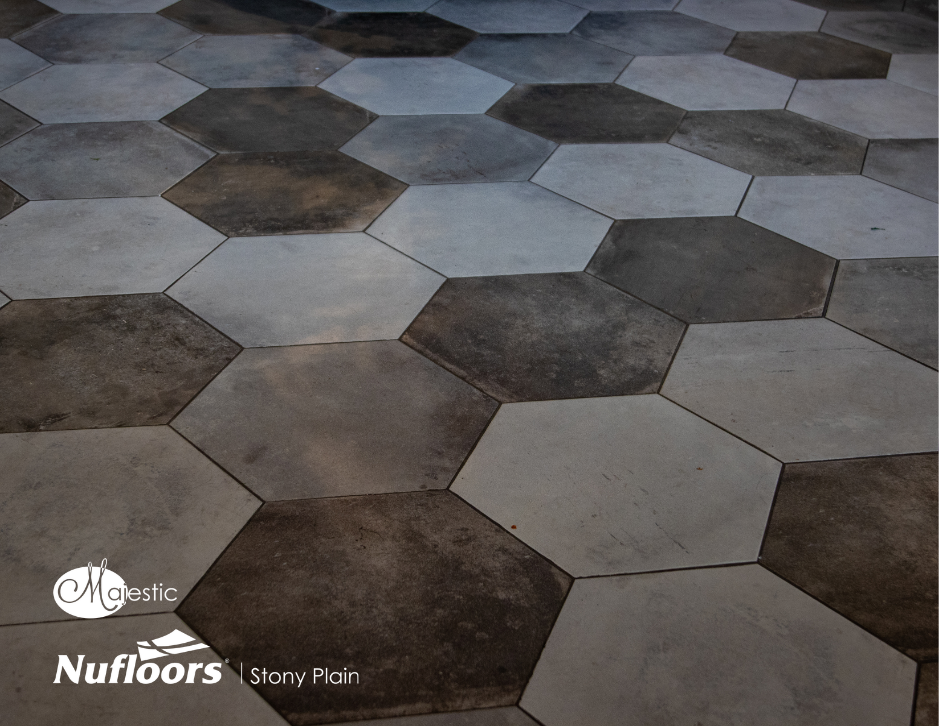
Today, larger hexagon formats are available in porcelain, ceramic and natural stone, making the pattern equally suited to modern kitchens, bathrooms and mudrooms.
Basketweave: Elegant Without Being Busy
Basketweave patterns have been used in stone and mosaic flooring for centuries, particularly in formal European homes.
The layout creates the illusion of woven strips by combining small rectangular tiles with contrasting squares. Although intricate, the pattern remains subtle enough to complement a wide variety of cabinetry, fixtures and wall finishes.
Basketweave continues to be a favourite for bathroom floors and powder rooms where homeowners want classic detail without overpowering the space.
Timeless Design Starts with Timeless Patterns
While tile colours and finishes continue to evolve, classic layouts remain remarkably consistent because they're built on balance, proportion and craftsmanship rather than passing trends.
At Nufloors, we'll help you compare ceramic, porcelain and natural stone tile while exploring layouts that complement your home's architecture and personal style. Whether you're drawn to checkerboard, herringbone, Moroccan-inspired designs or timeless mosaics, we'll help you create a space you'll enjoy for years to come. Visit our flooring store in Stony Plain and let's get started!