

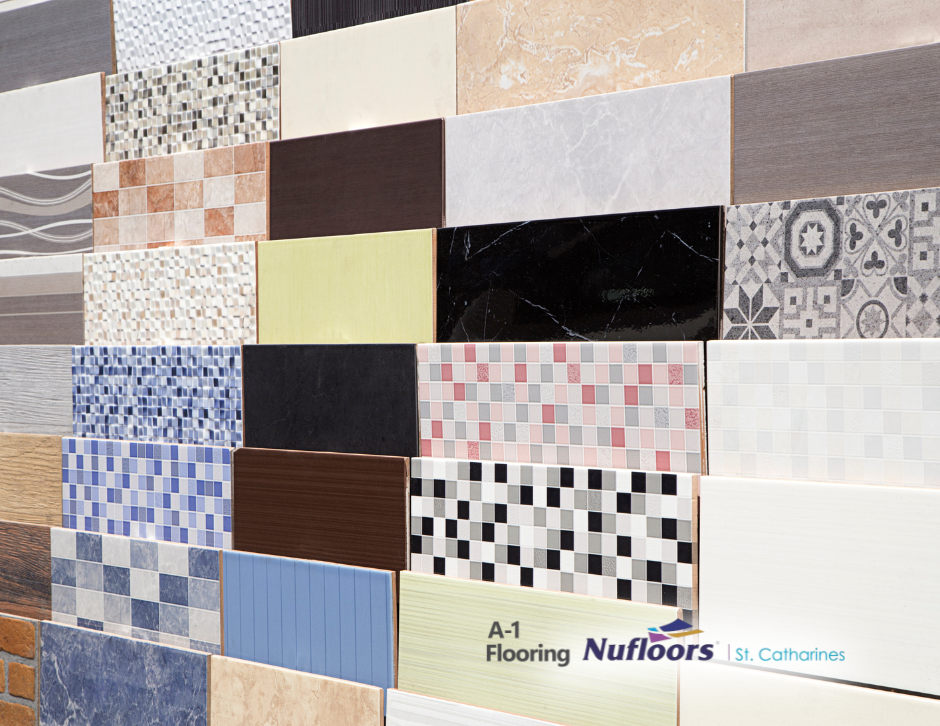
When choosing tile for your home, one of the first decisions you'll face is whether to install porcelain or ceramic. While they often look similar, the two materials are manufactured differently and perform differently depending on where they're installed. Understanding those differences can help you choose the right tile for your lifestyle, maintenance expectations and budget.
At the Nufloors flooring store in St. Catharines, we help homeowners compare both options based on how each space will actually be used rather than simply choosing a style they like in the showroom.
How Porcelain and Ceramic Tile Are Made
Both porcelain and ceramic are made from natural clay and fired in a kiln, but porcelain is manufactured using finer clay and fired at higher temperatures.
This process creates a denser tile with lower water absorption, making porcelain exceptionally durable and well suited to demanding environments. Ceramic tile is slightly less dense, making it easier to cut and install while still providing excellent performance in many residential applications.
Because the finished surfaces can look nearly identical, it's the composition of the tile—not its appearance—that often determines where it should be installed.
Durability and Water Resistance
Porcelain tile is known for its strength and low porosity. It resists moisture extremely well, making it an excellent choice for bathrooms, laundry rooms, mudrooms and entryways where water and snow are common.
Its density also makes it highly resistant to scratches and wear, making porcelain a popular option for busy households with children, pets or heavy foot traffic. Ceramic tile is also durable and moisture-resistant when properly installed and grouted. It's an excellent flooring choice for many kitchens, bathrooms and living spaces, although it may not perform as well as porcelain in areas exposed to constant moisture or very heavy use.
Where Each Tile Performs Best
Porcelain's durability makes it a versatile flooring material throughout the home.
It performs particularly well in:
Entryways
Kitchens
Bathrooms
Laundry rooms
Commercial spaces
Covered outdoor installations where suitable products are selected
Ceramic tile is often chosen for:
Kitchen backsplashes
Bathroom walls
Fireplace surrounds
Residential floors with moderate traffic
Decorative feature walls
Because ceramic is easier to cut, it is also commonly used in projects with intricate layouts or detailed patterns.
Installing Tile Flooring
Although porcelain and ceramic install using similar methods, porcelain's density makes it more challenging to cut and shape. Professional installers typically use specialized cutting equipment to produce clean edges around corners, plumbing fixtures and transitions.
As with any tile installation, success depends on proper subfloor preparation. A flat, stable surface helps prevent lippage, cracked grout and uneven finished floors, regardless of which tile is selected. Professional installation also helps ensure grout joints remain consistent and the finished floor performs as intended for years to come.
Which Tile Is Right for Your Home?
Neither porcelain nor ceramic is universally better. The right choice depends on where the tile will be installed, how the space is used and the level of durability required.
Porcelain is often the preferred option for high-traffic areas and moisture-prone rooms where maximum durability is important. Ceramic continues to be an excellent choice for many residential applications, offering a wide variety of colours, patterns and finishes while remaining a practical, cost-effective solution.
At Nufloors St. Catharines, we'll help you compare porcelain and ceramic tile side by side, explain how each product performs and recommend flooring that suits your home, your lifestyle and your renovation goals.