

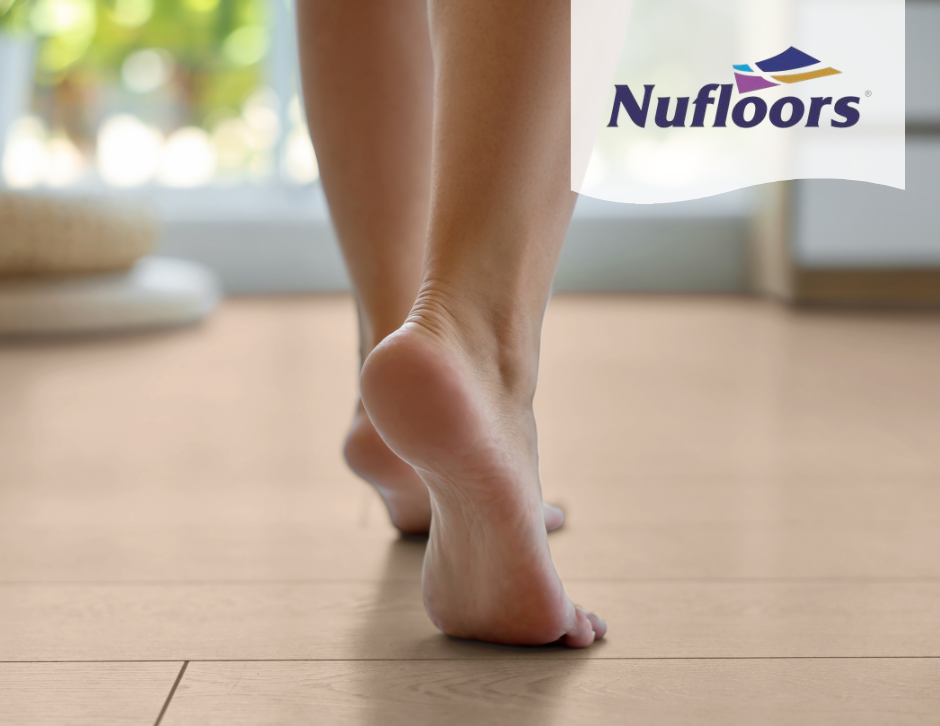
Few home upgrades feel as luxurious as stepping onto a warm floor on a cold morning. While heated flooring systems are often associated with bathrooms, many homeowners are now considering radiant floor heating for kitchens, basements and even entire homes. That raises an important question: can heated flooring systems replace forced-air heating?
The answer depends on the size of the space, the home's construction and the type of radiant heating system being installed. In some situations, radiant floors can serve as the primary heat source. In others, they're best used to supplement an existing heating system.
Understanding the Two Types of Heated Flooring
There are two main types of heated flooring systems: electric and hydronic.
Electric systems use cables or heating mats installed beneath the finished flooring. They're relatively straightforward to install and are commonly used in single rooms such as bathrooms, ensuites and kitchens.
Hydronic systems circulate warm water through a network of tubing beneath the floor. Because they can heat much larger areas efficiently, hydronic systems are more commonly used in new construction or major renovations where they can be incorporated into the home's design.
Both systems provide radiant heat, warming people and objects directly rather than heating the air first.
When Radiant Heat Can Replace Forced Air
In well-insulated homes with carefully designed heating systems, radiant floors can sometimes provide all the heat required for the living space.
This is most common in new homes where heat loss calculations have been completed during the design stage and the flooring system has been sized accordingly. Hydronic systems are generally better suited to whole-home heating because they can operate efficiently across larger areas.
In existing homes, however, radiant floors are often installed in selected rooms rather than throughout the entire house. Bathrooms, basements and kitchens are particularly popular because they combine hard surface flooring with spaces where people appreciate extra warmth.
Flooring Selection Matters for Heated Systems
Not every flooring material transfers heat equally. Tile and natural stone are among the best conductors of radiant heat, making them ideal choices for heated floors. Luxury vinyl and engineered hardwood can also work well when the products are approved by the manufacturer for radiant heating applications.
Solid hardwood requires more careful consideration because natural wood expands and contracts with temperature and humidity changes. Choosing flooring that's compatible with radiant heat is just as important as selecting the heating system itself.
Warmth That’s Built-in
Heated flooring systems offer more than warm feet. They provide consistent, quiet comfort and can complement a home's primary heating system while increasing the enjoyment of everyday living spaces.
At our flooring stores across Canada, we help homeowners choose flooring products that work beautifully with radiant heating. Whether you're planning a bathroom renovation, finishing a basement or building a new home, we'll recommend flooring that's compatible with your heated flooring system and designed to perform for years to come.